
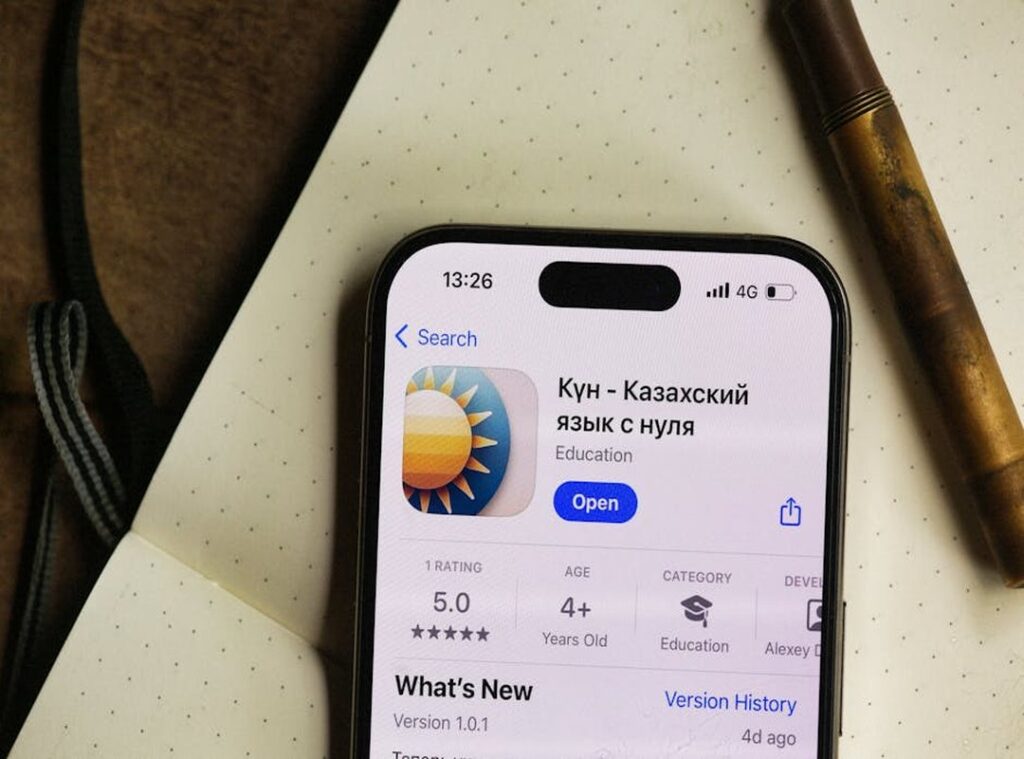
Learning a new language feels like a monumental task, doesn’t it? I get it. The time constraints, the lack of motivation, and the ineffective methods make it frustrating.
Traditional approaches often leave us stuck, grappling with grammar rules instead of actually speaking.
But here’s the deal: technology is changing the game. I’ve been following breakthroughs in education tech, and let me tell you, the latest language learning apps are making fluency more attainable than ever.
These apps are designed for our fast-paced world. They adapt to our needs and keep us engaged. That’s what I love about them.
In this article, I’m diving deep into how these advanced applications are revolutionizing language acquisition. I’ll reveal tools that genuinely transform learning outcomes. You’ll discover how to invest your time wisely and finally break through those barriers.
Get ready to open up a new way to learn.
The Dawn of Digital Fluency: Language Learning Apps Explained
Language acquisition applications (what) are they really? Simply put, they’re digital platforms that help you learn new languages. Gone are the days of tedious flashcards.
Today, language learning apps have evolved into sophisticated AI-driven tools. They offer interactive lessons, gamified exercises, and pronunciation tools. It’s like having a personal language tutor in your pocket.
These apps are not just digital textbooks. They’re changing, responsive learning environments. Ever get frustrated by the static nature of classroom-only learning?
These apps solve that by providing real-time feedback and vocabulary builders. You engage with the material in a way that’s both effective and fun.
Here’s the futuristic twist. Imagine a world where AI anticipates your learning needs. These apps adapt, offering personalized exercises based on your progress.
You’re not just another student in a crowded classroom. You’re the focus, and your learning path is unique to you.
And let’s not forget the practical side. Just like budgeting apps help save, language learning apps make mastering a new language accessible and fast. They’re a game-changer, addressing real user pain points.
The future of language learning is here, and it’s digital. Are you ready to dive in?
Beyond Algorithms: AI’s Role in Language Mastery
When it comes to language learning apps, AI is the real game-changer. These apps are no longer just about memorizing vocabulary. They’re about creating a tailored experience that adapts to you.
Why settle for a generic approach when you can have a personalized journey?
Ever felt lost in a class? That’s because traditional methods didn’t care enough to adapt. AI does.
Adaptive learning is the secret sauce. It analyzes your progress, strengths, and weaknesses. So, you get content that fits like a glove.
It’s smart enough to adjust the difficulty and pace, making learning fast.
Take intelligent spaced repetition algorithms. They’re designed to help you remember vocabulary better. It’s like having a personal tutor who knows exactly when and what you need to review.
And pronunciation? AI-powered analysis gives you instant feedback. You can’t hide from those mispronunciations anymore.
Then there are chatbots. They’re not just for fun. They’re key for conversational practice.
It’s like having a language partner in your pocket. Ever tried learning without practicing speaking? It’s a nightmare.
AI fixes that.
The personalization these tools offer solves a massive problem. The “one-size-fits-all” method is outdated. With AI, you focus on areas needing the most improvement.
You accelerate your learning.
Apps like duolingo: language & chess show this shift. They’re not just teaching languages. They’re creating bespoke educational journeys.
AI makes this possible, transforming how we learn. You get more done in less time. Isn’t that what we all want?
Unlocking Language: Tomorrow’s Tools for Learners
Let’s get straight to it. Language learning apps are everywhere now. But how do you decide which ones are worth your time?

You need actionable criteria. First, let’s talk about the bells and whistles. Interactive and gamified lessons are golden.
Why? Because points and streaks make learning feel more like a game than a chore. Who doesn’t love a good challenge?
Then there’s speech recognition. It’s not just a fancy feature. It’s key for accurate pronunciation.
If an app can’t catch your mistakes, what’s the point? You need real feedback, the kind that helps you fix errors before they become habits.
Contextual learning is another must-have. Apps should weave cultural takeaways and real-world scenarios into lessons. Otherwise, you’re just memorizing phrases like a parrot.
You want to understand why things are said the way they are.
Community features? Absolutely important. Peer interaction and native speaker connections can speed up your learning.
It’s like having a language partner in your pocket.
Don’t forget the practical stuff. Offline access and cross-device synchronization are not luxuries. They’re necessities.
You want your progress tracked clearly, so you know how far you’ve come and where you’re headed next.
And here’s the kicker: long-term mastery trumps short-term memorization. Look for apps that focus on deep learning, not just cramming vocabulary. This is where simplifying life automation apps come into play as they also emphasize efficiency and effectiveness.
So, when you evaluate language learning apps, keep these features top of mind. You’ll thank me later.
Charting Your Course: Language Learning Apps for a Fluent Future
Language learning apps are changing the game. Why stick with dusty textbooks when you’ve got apps like Duolingo? It turns learning into a game.
I mean, who doesn’t love a little gamification? You get rewards for progress, which is perfect if you’re motivated by badges and levels. Then there’s Babbel, which focuses on conversation.
It’s great if you want to sound like a local, not a robot.
Memrise takes a different route, using memory techniques to help you remember words. It’s ideal for visual learners who need images to make vocab stick. And let’s not forget Pimsleur.
This one’s all about audio. Perfect if you’re the type who learns best by listening. It’s like having a language class in your pocket.
Now, let’s talk about why these apps are better than old-school methods. Flexibility is the name of the game here. You can learn anywhere, anytime.
Plus, they keep updating content, so you’re not stuck with outdated phrases. Who wants to sound like they’re from a textbook published decades ago?
Here’s a pro tip: think about your learning style before you pick an app. Are you a visual learner or do you do better with audio? Knowing this can save you a lot of frustration.
These apps are not just tools; they’re the future of language learning. They’re important if you want to keep up in a globalized world. So ask yourself, which app fits your style?
Because this isn’t just about learning a language. It’s about preparing for a fluent future.
Embrace the Future of Language Learning
You’ve seen it. Traditional methods just don’t cut it anymore.
The struggle is real, right?
Language learning apps offer a solution. They’re personalized, AI-driven, and engaging. This is how we learn best. No more boring textbooks.
Think about it. The apps evolve with you. They adapt to your pace and style.
It’s fast. It’s enjoyable.
I’ve highlighted the key features: interactivity, customization, and recommendations.
Now, it’s time for action. Don’t wait for the future to happen. Grab these tools.
Start your language journey today.
Imagine unlocking new possibilities for connection and communication.
It’s in your hands. The future of language learning is bright and full of potential.
So, what’s stopping you? Dive in and transform the way you connect with the world.
You deserve to communicate effortlessly. Start exploring language learning apps now and change your life.
 Serving as a cornerstone of the team, Auritha Wolfquell brings an sharp analytical eye and a passion for deep-dive exploration to The Hakepad. Specializing in breaking down complex technical architectures and tracking industry-shifting developments, Auritha transforms dense tech trends into highly engaging, accessible insights for the community. Whether uncovering the nuances of emerging software or tracking global tech movements, Auritha’s dedication ensures the platform remains at the absolute forefront of accurate, forward-thinking journalism.