
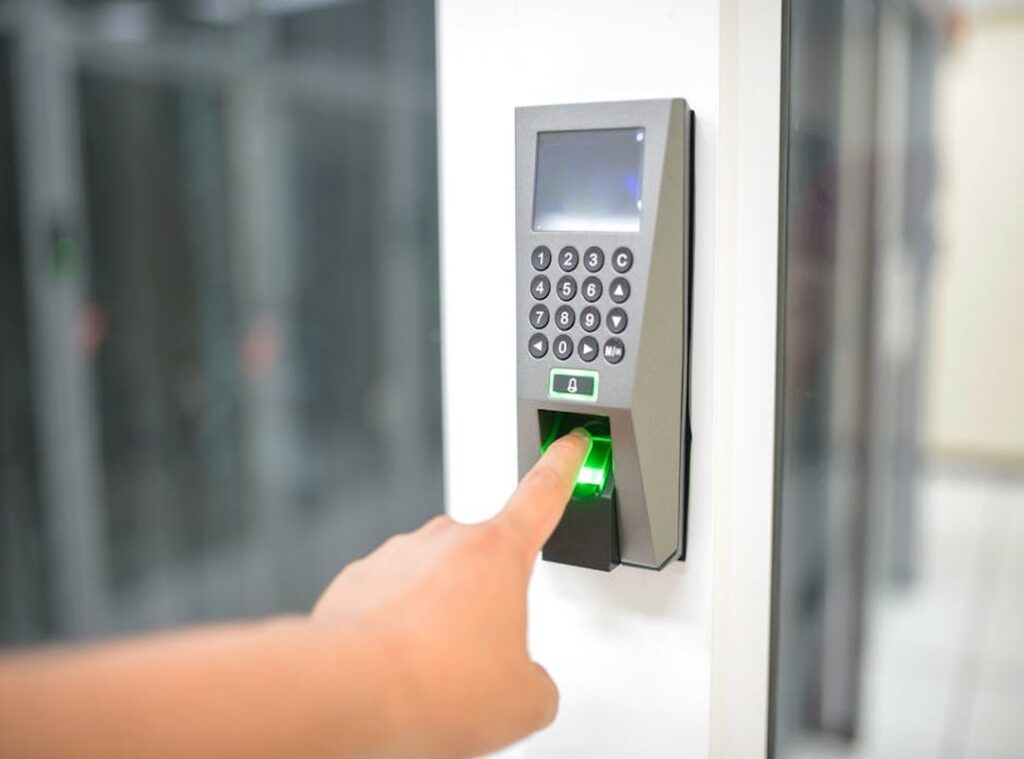
Digital identity and security are huge challenges today. We’re more connected than ever, yet traditional methods of verification fall short.
This article dives into biometric authentication technology and how it’s shaking up the way we think about security.
I want to break this down for you. I’ll explain what biometric verification solutions are, how they work, and why they matter. You’ll see how these technologies are not just a trend but a necessity for a secure future.
I’ve studied the latest advancements in this field. I’m here to provide you with reliable information that you can trust.
Imagine a world where your identity is verified seamlessly and securely.
That’s the future we’re heading toward.
By the end of this piece, you’ll understand the benefits and implications of biometric verification. You’ll get a clear picture of what’s next in the area of identity security. Let’s explore this together.
Biometric Verification: A Glimpse Beyond Passwords
Biometric verification solutions are systems that use unique features of our bodies or behaviors to confirm who we are. Think of it as moving from “what you know” like passwords (and) really, who remembers those anymore?. To “who you are.” This shift is massive.
It’s the difference between fumbling with keys and just using your fingerprint to open up your phone.
Biometrics boil down to two types: physiological (like fingerprints and irises) and behavioral (like the way you type or walk). Already, we’re relying on this tech without realizing it. Your smartphone?
Probably unlocks with your face. Office buildings? They might scan your retina.
Biometric authentication technology isn’t just cool; it’s a game-changer for security.
But let’s talk about the future. Biometric tools aren’t just about security. They’re making our digital experiences more intuitive.
Imagine a world without passwords, where your identity is your ticket. These technologies are gateways, not just locks. Speaking of future tech, Renewable Energy Tech Greener Tomorrow is another frontier worth exploring.
Are you ready for this new reality? Because it’s here.
Unlocking You: Biometric Authentication Now
Biometric authentication technology sounds like something out of a sci-fi movie, but it’s already part of our daily lives. How does it work? It all starts with enrollment.
When you first set up your fingerprint or face ID, your device captures this data with an optical scanner or camera. These aren’t just pictures, though. They’re transformed into secure, encrypted digital templates.
No one’s storing your actual face or fingerprint image.
Next comes the storage phase. This digital template sits securely on your device, ready for when you need to open up it. But how do you prove it’s you?
Enter the comparison step. When you scan again, the new data is matched against the stored template. If it aligns, you’re in.
If not, try again.
Now, you might wonder about the speed. This is where advanced algorithms and AI come into play, making verification almost instant. It’s smooth, something we barely notice as we go about our day.
Our world relies heavily on this tech, and it’s only growing smarter. Check out how biometric authentication: enhancing security without … privacy concerns. Excited or terrified? (I’m a bit of both, honestly.)
Exploring the Spectrum: Types of Biometric Verification
Biometric authentication technology is reshaping how we think about security. to some types redefining access control.
Fingerprint Recognition isn’t just about pressing your thumb on a sensor anymore. It’s evolving into advanced 3D scanning and sub-dermal imaging (crazy, right?) to map those unique ridge patterns. Imagine unlocking your car or front door with just a touch, knowing it’s more secure than ever.
Facial recognition takes it up a notch by analyzing facial features in detail. With 3D facial mapping and liveness detection, it’s not just about a static image. It’s changing and can tell if you’re a real person or a photo.
Think smart cities where your face is your ID.
Iris and retinal scans offer an unparalleled level of uniqueness. The patterns in your eyes are like snowflakes. They’re perfect for high-security environments and could soon be part of public identity verification.
Voice recognition is another fascinating area. By identifying vocal characteristics such as pitch and tone, it’s making waves. Picture controlling smart home systems with your voice (no more fumbling for remotes).
But let’s not forget behavioral biometrics. Gait and keystroke dynamics are on the rise. They identify you by unique movement patterns.
This could be the future of passive authentication, constantly verifying identity without you lifting a finger.
The future is here, and it’s bold. These technologies are not just theoretical anymore. They’re practical, solid, and changing our world one scan at a time.
What will they think of next?
The Unlocked Future: Advantages of Biometric Security
Biometric authentication technology is reshaping security. Why? Because your fingerprints, face, or voice can’t just be guessed or stolen like a password.
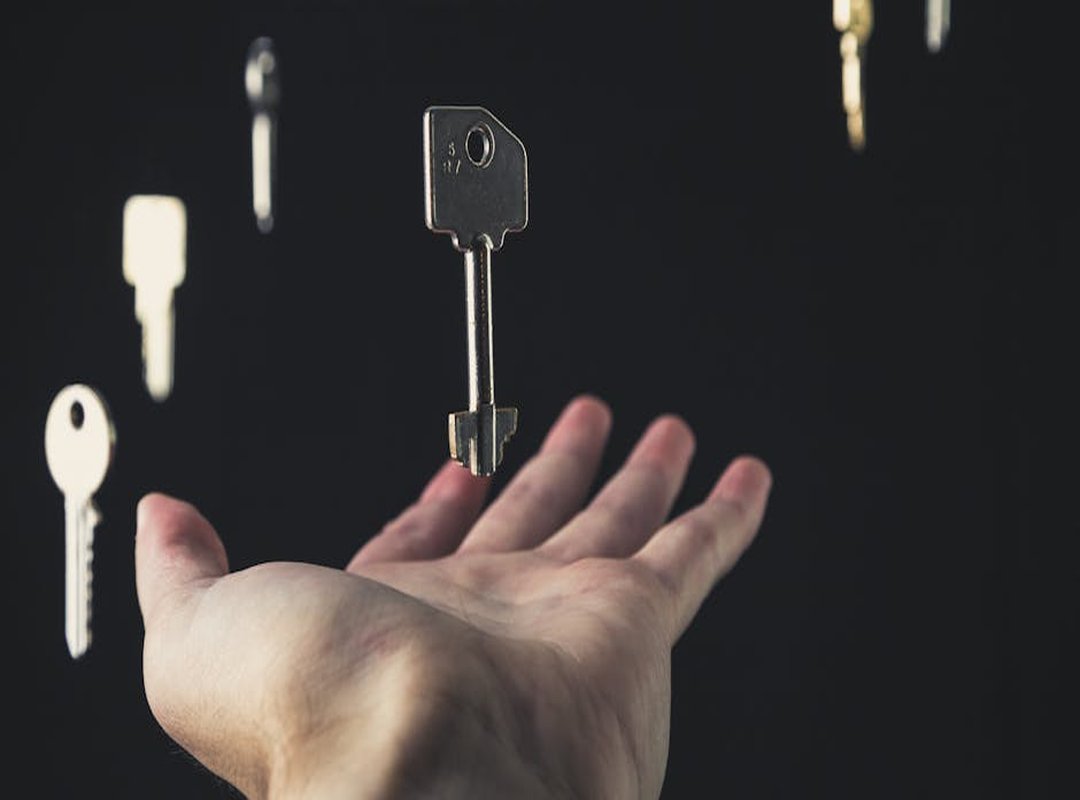
It’s a game-changer. Forgetting passwords is a thing of the past. And forging unique biological traits?
Almost impossible.
Think about convenience. You walk up to your phone, and it recognizes you instantly. No more fumbling around with PINs.
It’s like living in a sci-fi movie. This ease of use doesn’t just save time (it) saves your sanity. Imagine a world where technology just works.
Effortlessly.
But it’s not just about ease; it’s about security. Biometrics drastically reduce fraud and identity theft. Malicious actors have a harder time pretending to be you when they can’t replicate your fingerprint.
It’s like a lock and key that’s molded just for you.
Scalability is another perk. These systems fit anywhere (from) personal phones to national grids. They adapt to various needs, ensuring a smooth integration with existing infrastructures.
This isn’t some far-off dream. We’re living it now. As we embrace these advancements, we edge closer to a world that’s not just secure but also deeply fast.
The AI Revolution Transforming Daily Life is already here. Are we ready?
Navigating the Horizon: Biometric Verification Challenges
Biometric authentication technology is changing everything. But there’s a dark side (isn’t there always?). Privacy Concerns are huge. Storing your fingerprint isn’t like storing a password.
How is your data being protected? I say encryption and decentralized storage are key. Without them, we’re just asking for trouble.
Accuracy is another puzzle piece. Errors happen. False positives, false negatives, they’re all part of the game.
It’s a complex task to get it right for everyone, everywhere. We need these systems to work flawlessly with all populations (no) one left out.
Then there’s spoofing. Creative attackers find gaps. They’ve got tricks, but advanced liveness detection is fighting back.
Detecting blood flow or pupil changes? That’s science fiction becoming reality.
Ethics? Can’t ignore them. Rolling out biometrics broadly comes with societal implications.
Regulations must step up. We need frameworks that make sense.
Emerging tech trends could save the day. Multimodal biometrics for accuracy, continuous authentication for ongoing security. And mixing in blockchain technology for identity that can’t be tampered with?
Why haven’t we done this already? Sure, there are hurdles, but they are very solvable.
Your Digital Future Awaits
I’ve shown you how to get through the world of biometric authentication technology. You need strong identity verification in this fast-paced digital age. Biometric solutions offer unmatched security and convenience, paving the way for a smooth future.
So, what’s next? Stay ahead of the curve. Embrace these technologies in your personal life and advocate for their responsible use in broader systems.
Keep yourself updated on the latest advancements. Explore new biometric integrations. The digital space is changing, and you can help shape it.
Don’t wait. Take action now. Your secure tomorrow starts today.
 Serving as a cornerstone of the team, Auritha Wolfquell brings an sharp analytical eye and a passion for deep-dive exploration to The Hakepad. Specializing in breaking down complex technical architectures and tracking industry-shifting developments, Auritha transforms dense tech trends into highly engaging, accessible insights for the community. Whether uncovering the nuances of emerging software or tracking global tech movements, Auritha’s dedication ensures the platform remains at the absolute forefront of accurate, forward-thinking journalism.