
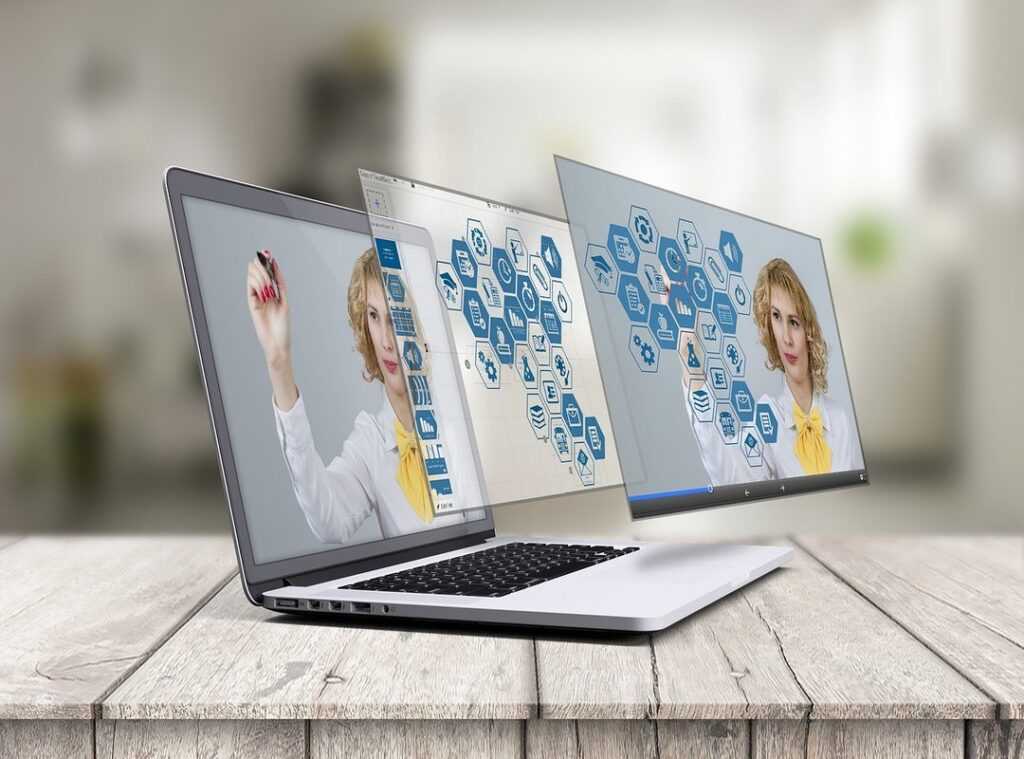
We all crave more immersive experiences, don’t we? Flat screens just don’t cut it anymore. They leave us feeling disconnected from the depth of digital content.
What does “3D” even mean in this context? It’s confusing, right?
In this article, I’ll break down holographic displays technology and what it really offers. I’ve spent years keeping an eye on visual tech advancements, so I see the difference between noise and genuine innovation.
I want to demystify how 3D displays work and showcase their various forms. You’ll understand how they impact industries from entertainment to medicine.
Is this tech really all it’s cracked up to be? I’ll guide you through the latest breakthroughs, explaining how they bring digital content closer to our perception of reality.
By the end, you’ll have a clear grasp of the technology behind those eye-catching displays. You’ll know what to look for and what it means for the future of visual experiences. Let’s dive in and explore together.
3D Visuals: Beyond the Flat Screen
3D visual display technology is all about tricking your eyes. Seriously. It creates the illusion of depth, making images pop out like they’re right in front of you.
Ever wonder how this works? Our eyes naturally perceive depth because each sees the world from a slightly different angle. This technology mimics that effect, unlike boring 2D images, which are just flat.
Historically, 3D imaging isn’t new. Remember those old stereoscopes? They were the granddaddies of today’s systems.
Now, we’ve got digital solutions that take this to a whole new level. From virtual reality to holographic displays technology, it’s been quite the evolution. But let’s cut through the marketing fluff. “3D” here refers to how the images are shown, not necessarily the content being displayed.
Want to know what sets this apart from regular screens? It’s more immersive. You feel like you can reach out and touch the scene.
But it’s not magic; it’s tech doing its thing. So next time someone talks about 3D displays, you’ll know they’re talking about the method, not just the content. It’s all about the experience.
3D Visuals: The Trick Behind the Magic
Ever wonder how 3D displays trick our brains? It’s all about stereoscopy: showing two slightly different images to each eye. This mimics how we naturally see the world, creating that depth illusion.
Let’s talk tech. Active shutter glasses are pretty clever. They alternate images for each eye in sync with the display.
Fast and furious. It’s like a rapid-fire slideshow happening right before your eyes. Then there are passive polarized glasses.
They use different light polarizations to send images to each eye at the same time. It’s less high-tech but still effective.
And those glasses-free 3D displays you’re curious about? Autostereoscopic displays use lenticular lenses or parallax barriers to direct pixels straight to your eyes. No eyewear circus needed.
It’s a leap forward in holographic displays technology. Speaking of leaps, how about volumetric displays? They project actual light into 3D space (not just on a screen).
Curious about more tech magic? Blockchain beyond cryptocurrency can open up innovations like these. Decoding the tech world’s great mysteries is always worth it. So, what’s next?
Maybe you’re thinking about how to bring this incredible tech into your living room. I know I am.
Beyond the Screen: Types of 3D Displays
When it comes to 3D displays, Head-Mounted Displays (HMDs) are game-changers. VR and AR headsets immerse you, pulling you out of reality and into… well, wherever you choose to go. Imagine gaming where dragons feel almost real or simulations where you’re practically in the cockpit.
3D TVs and monitors? Once all the rage, now they’re niche. Remember those glasses?
Active glasses flicker, whereas passive ones are lightweight but limit resolution. These screens serve specific audiences, like gamers or movie buffs who crave depth.
Now, autostereoscopic displays are the real show-stealers. Imagine digital signage or mobile devices giving you a 3D view without glasses. Sounds cool, right?
But here’s the catch: limited viewing angles can be annoying. If you’re not in the sweet spot, you may just see a blur.
But wait. Volumetric and light field displays take it up a notch. They throw light points or fields into space, giving you true 3D without eyewear hassles.
The potential for holographic displays technology is mind-blowing because they can revolutionize everything from entertainment to medical imaging. For a deeper dive into these, check out this breakdown. It’s worth the look if you’re as intrigued as I am.
3D Displays: Beyond the Screen
When I think about how 3D visual displays are changing our world, one word comes to mind: impact. These aren’t just flashy screens for gamers. They’re transforming industries.
Take entertainment. Ever watched a movie with a 3D display? The immersion is intense.
You feel like you’re part of the action. And don’t get me started on gaming. Virtual reality?
It’s a whole new level of engagement.
In healthcare, it’s a game-changer. Imagine a surgeon planning an operation with a 3D model. Precision improves.
Mistakes? Reduced. And in education, 3D displays create immersive environments.
Pilots and surgeons train with simulations. They learn by doing, not just by reading. That’s solid.
For designers and engineers, 3D displays are important. They visualize prototypes and complex data. It’s not just about seeing (it’s) about understanding spatial relationships.
Speaking of innovation, holographic displays technology is the next frontier.
Even in advertising, 3D grabs attention. Picture virtual try-ons in retail. Customers engage more when they see products come alive.
Want to dive deeper? Check out nanotechnology small wonders. It’s fascinating how tech evolves.
The Future is Now: 3D Visual Trends and Challenges
Let’s talk about the cool stuff happening in 3D visuals. Autostereoscopy is moving forward. I mean, who doesn’t want better viewing angles and higher resolutions without those annoying glasses?
Imagine just sitting back and getting a glasses-free experience. It’s pretty wild.
Light field displays are becoming more practical too. Think about seeing a true 3D image from different angles without any eyewear. It’s like something out of a sci-fi movie, right?
And holographic displays technology is creeping closer to reality. Sure, it’s slow, but picture a world where holograms are part of everyday communication. (Princess Leia would be proud.)
But there are hurdles. Cost is a big one, and we need more specialized content. Plus, who wants to deal with eyestrain or motion sickness?
It’s a real issue.
Content creation isn’t cheap either. Crafting high-quality 3D takes time and money. Yet, even with these challenges, the potential is huge.
Will we overcome these obstacles? I think we will, eventually. The future of 3D visuals is just getting started.
Embracing the Future of Visuals
I hope you found what you were looking for. The limitations of 2D visuals can be frustrating. The confusion around immersive displays is real.
That’s why understanding options like stereoscopy, autostereoscopy, and holographic displays technology is so important. These solutions open up new levels of engagement and utility.
Stay curious about these evolving technologies. Explore new immersive experiences. Think about how 3D visuals can impact your field or hobbies.
The future is here, and it will blend digital content with our reality. Don’t get left behind. Dive into these technologies now.
Your next level of engagement awaits.
 Driven by a lifelong passion for innovation, Jyxilon Pell founded The Hakepad as a dedicated hub for exploring the frontiers of the tech world. With a keen eye for emerging trends and a deep understanding of the rapidly evolving digital landscape, Jyxilon created the platform to bridge the gap between complex tech advancements and everyday enthusiasts. Whether detailing cutting-edge hardware benchmarks, breaking down intricate software developments, or analyzing industry-shifting news, Jyxilon’s mission remains clear: to build an ultimate destination that empowers, informs, and inspires a global community of tech lovers.