

I get it. You’re curious about private content, like pia ildefonso nudes. It’s a common curiosity, especially with public figures.
But let’s be real—searching for that kind of stuff is a huge risk. Not just for the person you’re looking up, but for you too. Websites hosting such content are often traps.
They can infect your device with malware, steal your data, or trick you into phishing scams. This article is here to help. I want to educate you on these dangers and give you some practical steps to protect your digital privacy.
Trust me, it’s worth knowing.
Understanding Digital Exploitation and Its Consequences
Non-consensual intimate imagery, or NCII, is a term that accurately describes the serious nature of sharing private images without consent. It’s more precise and respectful than slang like “revenge porn.”
The distribution of these images can cause severe and lasting psychological, professional, and personal damage to victims. Victims often face trauma, depression, and anxiety, and their careers and relationships can be severely impacted.
Let’s talk about the legal side. Sharing NCII is illegal in many places. Laws vary, but penalties can include hefty fines and jail time.
For example, in the U.S., the Cyber Civil Rights Initiative highlights that offenders can face up to 10 years in prison and significant fines.
Technologically, once this content is out there, it spreads uncontrollably across platforms. It becomes nearly impossible to fully remove from the internet. This makes the situation even more devastating for the victim.
Participating in the viewing or sharing of this content, like the pia ildefonso nudes, directly contributes to the harm inflicted on the victim. It’s not just a matter of privacy; it’s about the real, long-term damage to someone’s life.
- Recognize the seriousness of NCII.
- Understand the legal consequences.
- Be aware of the technological challenges in removing such content.
By understanding these aspects, we can better support victims and work towards preventing this harmful behavior.
The Threat to You: Malware, Scams, and Identity Theft
I once stumbled upon a site that promised exclusive content. Curiosity got the better of me, and I clicked. Big mistake.
That single click led to a barrage of pop-ups and warnings. It was a close call, but it taught me a valuable lesson.
Malicious software, or malware, is rampant on these sites. They often host leaked or private content, like pia ildefonso nudes, to lure you in. Once you’re there, they hit you with all sorts of scams.
One common scam is the fake ‘age verification’ pop-up. It looks legitimate, asking for your credit card info to verify your age. But it’s just a ruse to steal your financial details.
Another trick is forms that ask for personal data. They claim it’s for security, but they’re really harvesting your information for identity theft. It’s like willingly walking into a building known for crime just to satisfy a curiosity.
Clicking a single malicious link can install keyloggers or ransomware on your device. Keyloggers track every keystroke, capturing passwords and sensitive data. Ransomware locks down your files and demands payment to unlock them.
The promise of viewing such content is the bait. Cybercriminals use it to lure unsuspecting users into their traps. Don’t fall for it.
Stay safe and keep your curiosity in check. pia ildefonso nudes
Practical Steps to Safeguard Your Own Digital Privacy
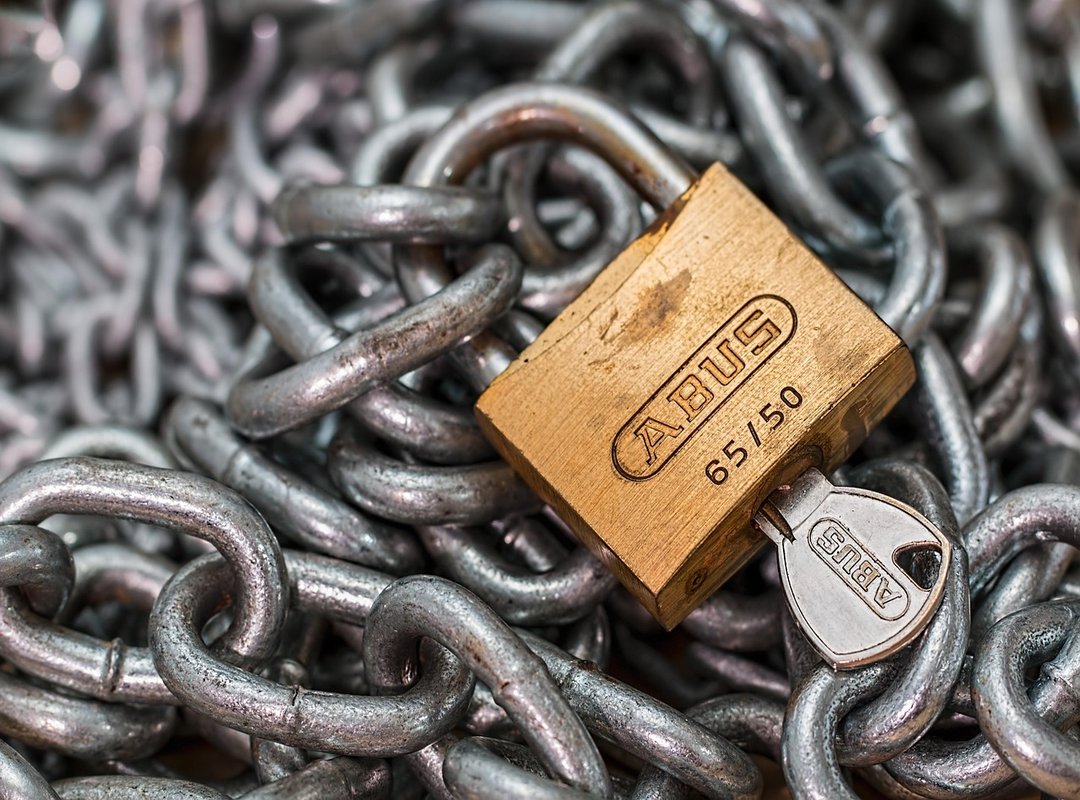
Let’s face it, digital privacy is a big deal. You can’t afford to be lax about it.
First things first: conduct a privacy audit of your social media accounts. Check those audience settings. Really check them.
Make sure you know who can see what.
Review tagged photos. If there’s something you don’t want the world to see, untag yourself. It’s that simple.
Limit the data you share with apps. They don’t need to know everything about you. Trust me, they’re not your friends.
Use strong, unique passwords for every account. I can’t stress this enough. And enable two-factor authentication (2FA).
It’s an extra step, but it’s worth it.
When sharing images and information online, even in private chats, think twice. Once it’s out there, it’s hard to take back. Even cloud storage isn’t foolproof.
Be cautious with sensitive files.
Google’s ‘Results about you’ dashboard is a handy tool. It helps you find and request the removal of your personal information from search results. Use it.
Recognize and avoid phishing attempts. If an email or text looks suspicious, it probably is. Don’t click on links or give out your login credentials.
Ever.
And one more thing. Be wary of trending searches like pia ildefonso nudes. They often lead to sketchy sites and potential scams.
Stay safe out there.
Promoting a Safer and More Respectful Online Environment
Searching for and engaging with exploitative content is harmful to victims and poses a significant security risk to the searcher. The most effective way to combat digital exploitation is to refuse to participate and to actively protect one’s own online information.
pia ildefonso nudes is an example of content that should never be sought or shared. It’s crucial to report non-consensual content when you encounter it on social media or other platforms. By doing so, you help in removing such material and protecting the individuals involved.
We all share a collective responsibility to foster an internet culture built on respect for privacy and consent.
 Serving as a cornerstone of the team, Auritha Wolfquell brings an sharp analytical eye and a passion for deep-dive exploration to The Hakepad. Specializing in breaking down complex technical architectures and tracking industry-shifting developments, Auritha transforms dense tech trends into highly engaging, accessible insights for the community. Whether uncovering the nuances of emerging software or tracking global tech movements, Auritha’s dedication ensures the platform remains at the absolute forefront of accurate, forward-thinking journalism.