
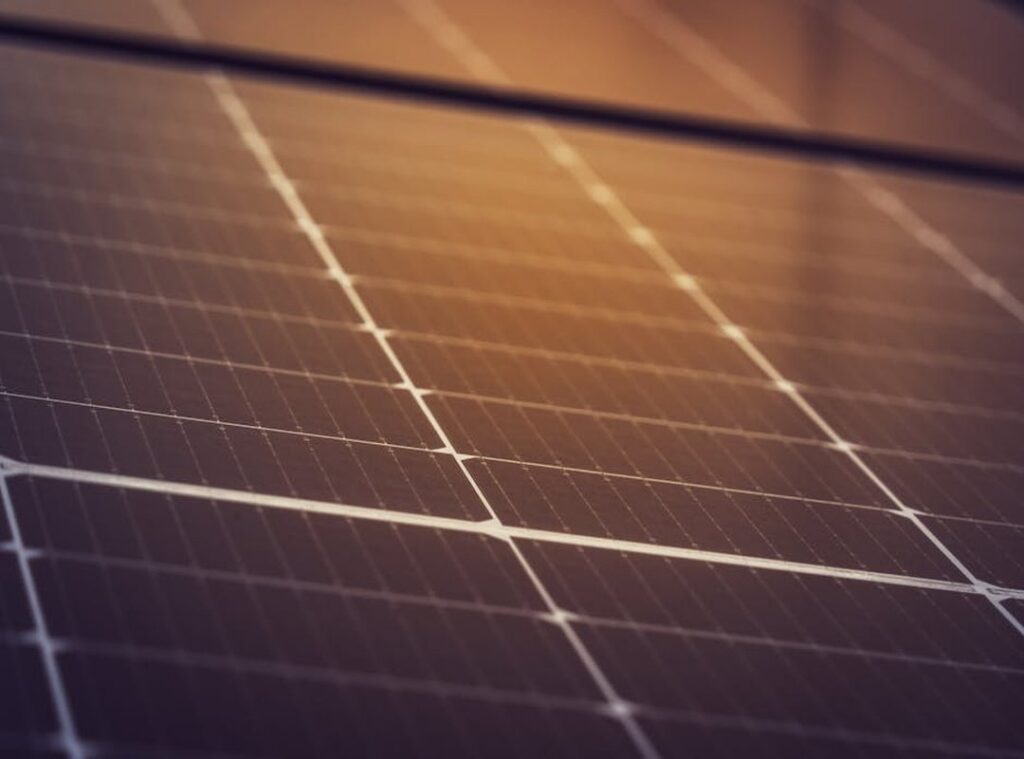
Energy costs are skyrocketing and the environment is suffering. It’s no wonder you’re searching for sustainable alternatives. Yet, does the sheer volume of information about renewable energy leave you feeling overwhelmed?
When it comes to solar, what do those tech terms really mean for you? I get it. Most people just want clarity and actionable steps.
This is where I come in. I specialize in breaking down complex tech topics and evaluating new tools. My goal is to make solar technology energy accessible to everyone, not just the tech-savvy.
In this article, I will cut through the noise. You’ll find a spirited, straightforward guide to understanding, selecting, and implementing smart solar energy solutions.
I’ve spent time digging into this rapidly evolving space. You’ll see the takeaways I’ve gathered along the way. This isn’t just theory; it’s about real-world applications that can make a difference in your life.
Let’s dive in and demystify solar energy together. You’ll walk away with the knowledge you need to make informed decisions.
Solar Energy Solutions: More Than Just Panels
When people talk about solar energy, they often picture panels on rooftops. But modern solar solutions are way more complex. We’re talking about integrated systems that generate energy but store and use it efficiently.
Think about photovoltaic systems that convert sunlight into electricity and solar thermal systems that transform sunlight into heat. Each has unique applications, like powering homes or heating water.
What’s really exciting? The types of solar systems available today. You’ve got grid-tied systems, which connect to the utility grid, providing a safety net of power.
Off-grid systems are for the true mavericks (those who want independence). And then there’s hybrid systems, a clever mix of both, offering battery storage alongside grid connection.
Solar technology energy is evolving fast. Panels are getting more fast, smart inverters are optimizing power use, and designs are sleeker than ever (goodbye clunky panels). This isn’t just about finding an alternative energy source.
It’s about embracing intelligent, reliable power systems that work for you.
So, why settle for outdated methods when these advanced systems offer so much more? With these innovations, solar isn’t just viable. It’s important for a sustainable future.
Solar Power: The Smart Move Now
Why jump into solar today? Simple. Immediate savings and future-proofing.
You see, the financial benefits are hard to ignore. You can slash those monthly electricity bills to almost nothing. Imagine the satisfaction of not worrying about spikes in energy prices.
And though it sounds cliché (but true), your property value goes up. Who doesn’t want a home that’s not just energy fast but valuable?
Now, think about the environment. Solar panels reduce your carbon footprint. Less reliance on fossil fuels means a cleaner, more sustainable planet.
We owe it to the Earth and ourselves. Solar technology energy has come a long way. The durability, weather resistance, and performance guarantees are rock-solid.
Ever seen a solar panel face a storm? They handle it. No sweat.
Let’s not forget how seamlessly these systems integrate with smart home tech. Optimized energy management, automation, remote monitoring. It’s all right there.
Some folks might call this stuff the future, but it’s happening now. Oh, and don’t miss out on those government incentives, tax credits, and rebates. It’s like they’re begging us to go solar.
Curious about tech ethics? Check out our latest ai ethics exploration. Solar’s not just an energy choice.
It’s a lifestyle upgrade. Ready to make the leap?
Decoding Solar: The Essentials for High Performance
When it comes to solar technology energy, there’s no room for compromise. You want a system that punches above its weight. Let’s cut to the chase.
First, those panels (the unsung heroes on your roof). Monocrystalline, polycrystalline, and thin-film: these are the main types. Monocrystalline panels are the top dogs, offering high efficiency, but they hit the wallet hard.
Thin-film panels, on the other hand, are cheaper and flexible but don’t expect miracles in efficiency. Aesthetics can play a role (I mean, who doesn’t love integrated roof tiles?).
Inverters are another big deal. They convert DC from the panels into AC for your home. String inverters are the straightforward choice (solid) and reliable.
But microinverters and power optimizers? These are for those who want that extra control and performance monitoring.
Now, let’s mount those panels. Roof-mounted systems are standard, but ground-mounted options give flexibility (if you’ve got the space). And if you’re serious about capturing maximum energy, consider solar trackers.
They’re not cheap, but they maximize sun exposure.
Battery storage is gaining traction too. Lithium-ion batteries are the talk of the town, ensuring energy independence and keeping you covered during grid outages. Finally, monitoring systems give you real-time takeaways.
Control your energy usage with smart apps and dashboards. Simple to use, these tools are important for diagnostics and performance tracking.
Ready to go solar? With the right components, you’re not just installing panels; you’re upgrading your lifestyle.
Solar Choices: Picking Your Perfect Fit
Thinking about solar panels, huh? Not surprising, given the energy mess we’re all in. But choosing the right solar setup is a maze.
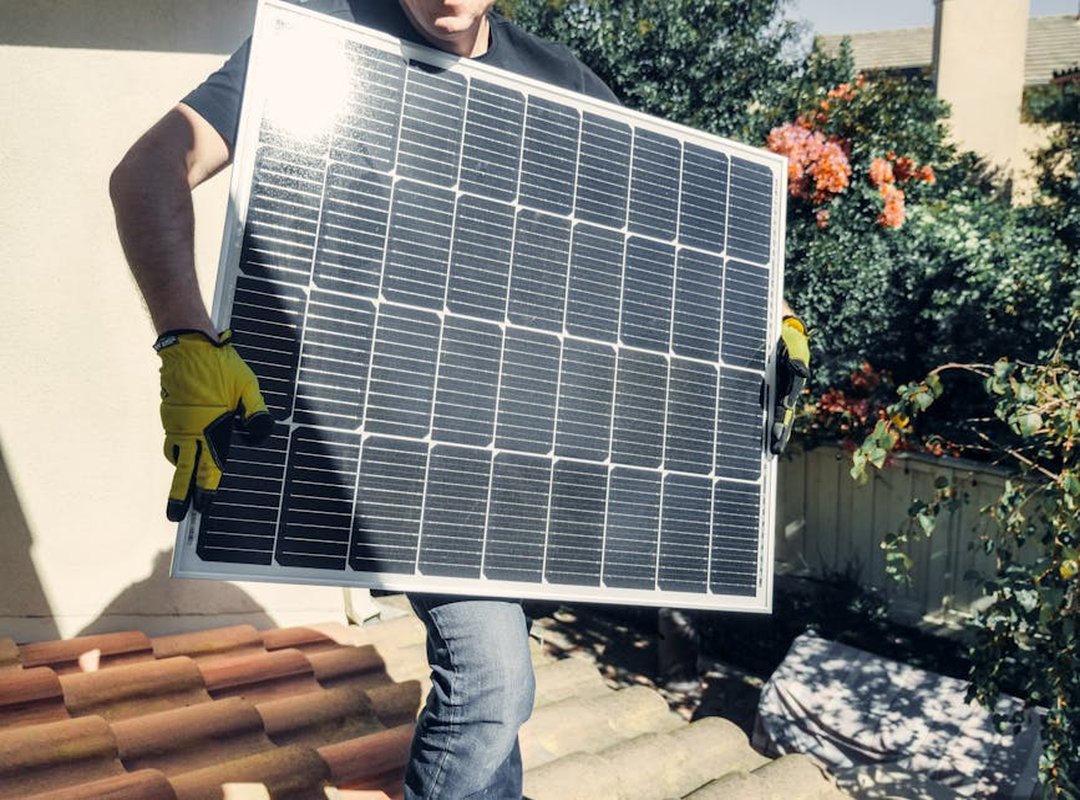
Let’s break it down. First, figure out your energy needs. You gotta know what you’re using now and what you’ll need later (like for that shiny new EV).
Next up, your house. Get a pro to check your roof’s sun exposure and condition. No point in squeezing panels onto a roof that’s falling apart.
Plus, zoning laws can be a pain. So, don’t skip that part.
Now, let’s talk cash. Solar isn’t cheap. But with loans, leases, and power purchase agreements, you have options.
Do the math on the long-term return. Will it pay off? That’s the real question.
System choice is next. Grid-tied, off-grid, or hybrid? Each has its pros and cons.
Want independence? Off-grid’s your guy. Just cutting bills?
Go grid-tied.
Finding an installer is key. Pick someone local and certified. Ask them about warranties, experience, and customer service.
And don’t skip the small print.
Finally, future-proof your investment. Your setup should be flexible and smart home-compatible. The solar technology energy space is always changing.
Make sure your system can keep up.
Solar’s Next Frontier: Innovations Ahead
Solar tech is on a thrilling trajectory. Ever heard of perovskite solar cells? These bad boys promise better efficiency and are cheaper to make.
Transparent panels for windows are coming, too. Imagine that. Energy from your building’s facade.
AI and Machine Learning are dialing up efficiency and grid management, making systems smarter. Even energy storage isn’t stuck in the lithium-ion past. Think solid-state and flow batteries for safer, bigger capacity.
Intrigued by more tech changes? Check out quantum sensors tech change. Solar technology energy (told you I’d squeeze that in) is shaping our future fast.
Step into the Future of Energy
You’ve got a clearer picture of solar technology energy now. The flood of choices can be overwhelming, but understanding modern solar solutions makes it easier. These options are not just eco-friendly; they save you money and fit into our tech-driven lives.
Are you ready to explore your solar potential?
Take that first step by seeking a personalized energy assessment. Connect with local experts who can guide you.
You don’t have to get through this alone. Your sustainable future is at your fingertips.
Embrace intelligent energy solutions today.
Follow The Hakepad for the latest in tech takeaways and innovations. Your path to a better tomorrow starts now. Don’t wait; act!
 With a focus on the tangible, cutting-edge side of the industry, Gavryth Lornquill anchors The Hakepad's technical analysis and hardware evaluations. Armed with an innate understanding of digital performance and design integration, Gavryth meticulously tests and deconstructs the latest gear, widgets, and components to give readers a true look under the hood. Gavryth’s hands-on expertise and commitment to quality make their contributions an invaluable guide for tech enthusiasts looking to optimize their digital ecosystems.