
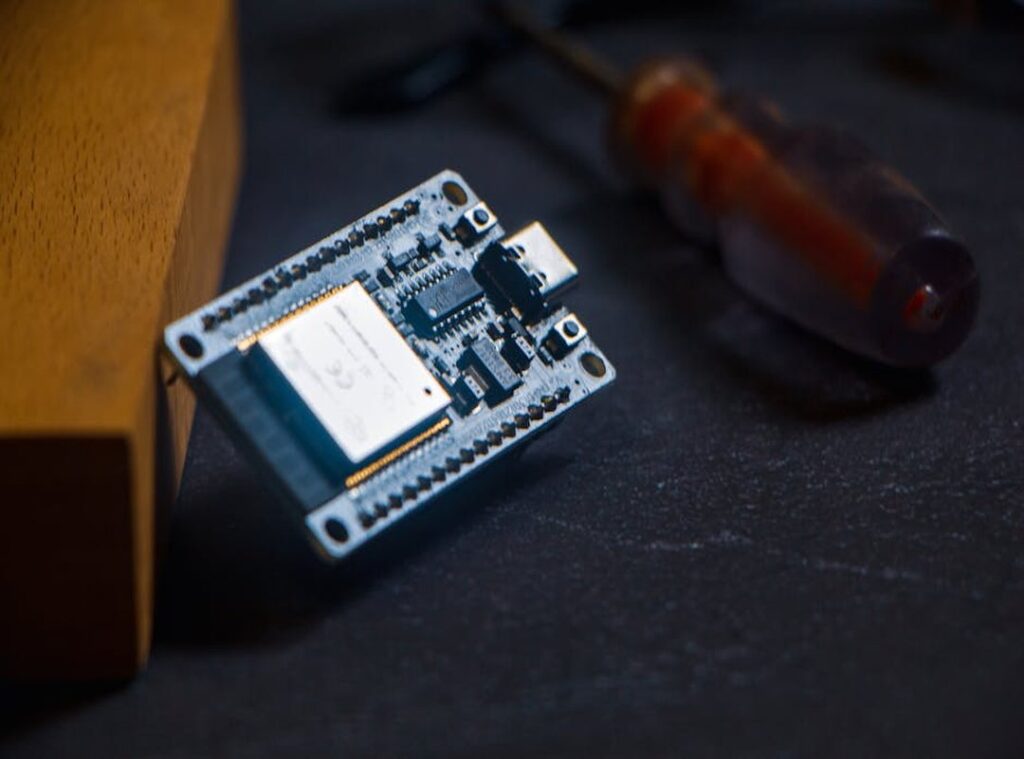
I built my first IoT app using a $12 microcontroller and a coffee-stained wiring diagram. It crashed. Then I rebuilt it.
Then I shipped something that actually worked.
You don’t need a lab or a degree to start.
You just need to know where to begin (and) what not to waste time on.
This isn’t another dense tutorial full of jargon and broken links.
It’s the How to Build Iot Applications Dtrgstech guide I wish I’d found three years ago.
Are you tired of watching smart devices work (while) feeling totally shut out? Do you open a tutorial, scroll two lines, and think “Wait, what’s MQTT?”
Yeah. Me too.
We skip the theory lectures. No fluff. No vendor hype.
Just clear steps. One after another.
You’ll learn how data moves from sensor to screen. How to pick hardware that won’t ghost you mid-project. And how to test fast.
Before you solder anything.
By the end, you’ll have built something real. Not a blinking LED. A working prototype that talks, responds, and does something useful.
Ready to stop reading about IoT (and) start building it?
What an IoT App Really Is
An IoT application is not magic. It’s just devices talking to the internet.
I’ve seen people stare at a smart thermostat like it’s alien tech. It’s not. It’s a thermometer, a heater, and a tiny computer.
All wired to the web.
You know your fitness tracker? That’s an IoT app. So is your smart light bulb.
Or the sensor in your fridge that texts you when milk expires.
Here’s how it works:
The thing (a sensor, camera, or switch) collects data. It sends that data over Wi-Fi, Bluetooth, or cellular. Then something acts on it (like) turning down heat or sending you an alert.
That “something” is the brain. Usually software running in the cloud. Not on the device itself.
It’s never just one piece. It’s the thing + connection + brain working as one system.
Want to understand how this all fits together? Dtrgstech breaks down How to Build Iot Applications Dtrgstech without jargon.
No fluff. Just real steps.
Some call it “smart home tech.” I call it dumb devices finally learning to listen.
You don’t need a degree to get it. You just need to see the parts.
Most people miss that last part.
Pick Hardware That Doesn’t Fight You
I started with an ESP32. It cost $8. It worked on day one.
Arduino’s fine too. If you like blinking LEDs and not much else.
Microcontrollers run one program at a time. They’re dumb but reliable. Raspberry Pi?
That’s a full computer. It runs Linux. It can crash.
It will crash. (Ask me how I know.)
Sensors are just translators. Temperature sensors read heat. Humidity sensors read wet air.
Motion sensors notice when something moves. Light sensors see brightness. None of them care about your feelings.
You don’t need five sensors for your first project. Start with one. A DHT22 reads temp and humidity.
Under $5. Plug it in. Print numbers to your screen.
Done.
Cheap hardware wins every time. Especially when you fry it (and you will). ESP32s and Raspberry Pis are everywhere.
Tutorials flood the web. Forums answer fast.
Skip the fancy stuff. Skip the “industrial-grade” sensor that needs a datasheet written in Sanskrit. You’re learning (not) building a Mars rover.
How to Build Iot Applications Dtrgstech starts here: pick something simple, break it, fix it, repeat.
That’s how you stop guessing and start knowing.
What’s the simplest thing you want to measure?
Right now (before) you overthink it (what’s) one thing?
Your Devices Need Roads Too
I plug my thermostat into Wi-Fi. It works. That’s it.
Wi-Fi is the easiest way for beginners to get an IoT device online. (You’re not setting up LoRaWAN in your garage.)
Bluetooth? Short range. Good for your phone talking to your watch.
Not for sending data across town.
Cellular works anywhere there’s signal. But you pay a monthly fee. LoRaWAN reaches miles but needs gateways and setup.
Data from your device travels like this: sensor → device → router → internet. The router is the post office. It sorts and ships.
That network is the road. Without it, your device just sits there. Silent.
Useless.
Security matters because bad actors scan for open devices. Default passwords? A welcome mat.
Change them.
You think your smart plug is harmless. But if it’s on your home network, it’s a backdoor. (Yes, really.)
I update firmware when prompted. You should too. It patches holes.
Want deeper network takeaways? Check out How to Build Iot Applications Dtrgstech. They break down real-world setups.
Your router has a firewall. Turn it on.
Wi-Fi isn’t magic. It’s wires and radio waves. Keep it simple.
You don’t need five protocols. Start with Wi-Fi. Get it working.
Then ask what’s next.
The Brain of the Operation

I plug my sensor into the wall. It blinks. Then it talks to the cloud.
That’s where the real work happens.
Cloud platforms like AWS IoT or Adafruit IO are just servers. Big computers you don’t own or maintain. Your device sends data there.
You send commands back from your phone or laptop. Simple as that.
Just organized files with timestamps and values. Temperature readings, motion triggers, humidity spikes. They all land in a place you can search later.
Where does the data live? In databases. Not magic.
The cloud doesn’t just store. It reacts. If temperature hits 100°F, it can text you.
Or shut off a heater. Or log an alert. No extra hardware needed.
Dashboards are web pages. Or apps. That show your data in real time.
Charts. Buttons. Toggle switches.
You see what’s happening now, not yesterday’s log file.
You’re not building a sci-fi movie. You’re wiring logic between real things and real actions.
Why reinvent the login screen? Why host your own server when Adafruit IO handles auth, storage, and graphs out of the box?
You want speed. Reliability. Clarity.
That’s why I use these tools when I figure out How to Build Iot Applications Dtrgstech.
What’s the first thing you’d monitor (if) you knew it wouldn’t take all weekend to set up?
Room Temp Monitor: Your First Real IoT Thing
You ever stare at a thermostat and think I could build that? I did. Then I built one.
Start with a temperature sensor and any microcontroller you can find. Hook them up. Write five lines of code to read the value.
That’s it for step one.
Now send that number somewhere. Any free cloud platform works. Make a dashboard that shows the number changing.
It’ll feel stupidly simple. Good.
You don’t need perfection. You need working. Then tweak it.
Break it. Fix it.
How to Build Iot Applications Dtrgstech starts right here (not) with theory, but with heat rising off a chip you wired yourself. Stuck? There are tutorials for every combo of hardware and language.
Use them. Don’t overthink the first version. Just get it breathing.
Then go deeper. Dtrgstech Technology Updates by Digitalrgs has real updates (not) fluff.
Your Smart World Starts Now
I built my first IoT project with a $12 sensor and a coffee-stained notebook. You don’t need permission. You don’t need perfection.
You already know How to Build Iot Applications Dtrgstech.
The rest is just wiring, code, and stubbornness.
What’s stopping you from turning that idea in your head into something real? That light switch that should work from bed? That plant that should text you when it’s thirsty?
Start small. Break it. Fix it.
Repeat.
Your pain isn’t lack of knowledge. It’s waiting for the “right time.”
There is no right time.
Open your laptop. Pick one thing. Build it today.
 Serving as a cornerstone of the team, Auritha Wolfquell brings an sharp analytical eye and a passion for deep-dive exploration to The Hakepad. Specializing in breaking down complex technical architectures and tracking industry-shifting developments, Auritha transforms dense tech trends into highly engaging, accessible insights for the community. Whether uncovering the nuances of emerging software or tracking global tech movements, Auritha’s dedication ensures the platform remains at the absolute forefront of accurate, forward-thinking journalism.