
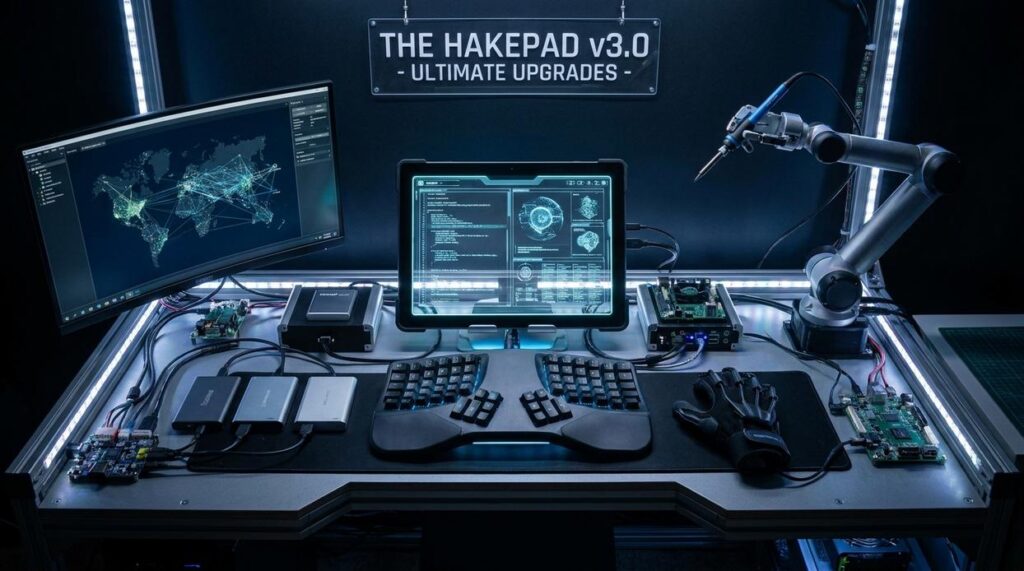
I’ve been using the Hakepad since launch, and it’s already one of the best devices in its category.
The design is smart. The user base keeps growing. People who buy one tend to stick with it.
But here’s the thing: even great tech can get better.
I’ve spent months testing this device in different scenarios. I’ve read through hundreds of user comments and forum posts. And I keep seeing the same requests come up.
People love their Hakepad. They just want specific things improved.
This article lays out the best upgrades thehakepad needs for its next version. I’m talking about hardware tweaks that matter, software fixes users actually want, and accessories that would make the whole experience better.
I’m not guessing here. This comes from real testing and listening to what the community is saying over and over.
You’ll see which upgrades would make the biggest difference and why they matter more than the features most companies focus on.
No fluff about what might be cool someday. Just the changes that would take the Hakepad from great to something competitors can’t touch.
Core Hardware Upgrades: Building a Better Foundation
Your computer is like a house.
You can paint the walls and rearrange the furniture all you want. But if the foundation is cracked and the plumbing is shot, you’re just putting lipstick on a pig.
I see this all the time. People download optimization software and tweak their settings, then wonder why their machine still feels sluggish.
The truth? Software fixes can only do so much.
Some folks argue that modern computers are good enough out of the box. They say you should just buy new instead of upgrading. And sure, if you’ve got unlimited cash, go ahead.
But here’s what they’re missing.
Most machines have one or two weak points holding everything else back. Fix those, and suddenly your whole system wakes up.
Think of it like a chain. You know how a chain is only as strong as its weakest link? Your computer works the same way. Your fancy processor can’t do much if it’s constantly waiting on a slow hard drive to fetch data.
I’ve been testing hardware at thehakepad for years now. The pattern is always the same.
The upgrades that actually matter:
- RAM when you’re constantly maxing out your memory
- SSD when boot times feel like watching paint dry
- Graphics card if you’re doing anything visual
Here’s the thing about best upgrades thehakepad recommends. They’re not about chasing benchmarks. They’re about removing bottlenecks.
Your RAM is like your workspace. Too little, and you’re constantly shuffling papers around. Add more, and you can spread out and actually work.
Storage is your filing cabinet. A traditional hard drive makes you wait while it physically spins to find your files. An SSD? It’s like having everything already on your desk.
Start with what hurts most. If your system freezes when you open too many tabs, you need RAM. If startup takes forever, get an SSD.
Don’t overthink it.
Software and OS Refinements: Unlocking True Productivity
You’ve probably tweaked a few settings here and there.
Changed your wallpaper. Maybe adjusted notification sounds. Called it a day.
But I’m going to be honest with you. That’s not where real productivity lives.
I’ve watched people spend thousands on new hardware when their real problem is a bloated OS that’s never been properly configured. They think a faster processor will save them when what they actually need is to stop their system from fighting them every step of the way.
Here’s my take.
Most operating systems ship with settings that work for the average user. But you’re not average if you’re reading this. You need your machine to bend to how you actually work, not how some product manager in Silicon Valley thinks you should work.
I started digging into special settings thehakepad after getting fed up with my workflow. Every app wanted my attention. Every update interrupted my focus. My computer felt like it was working against me instead of for me.
So I changed things.
Disabled startup programs that served no purpose. Adjusted memory allocation. Turned off animations that looked pretty but slowed everything down. The difference was immediate.
Now some people will tell you that stock settings are fine. That manufacturers know what they’re doing and you shouldn’t mess with what works.
I disagree completely.
Default configurations are built for compatibility and safety. Not speed. Not your specific needs.
When you take control of your OS settings, you’re not just making small improvements. You’re fundamentally changing how your machine responds to you. That’s when the best upgrades thehakepad can offer actually matter, because your system is finally ready to use them properly.
The result? Hours saved every week just from reduced lag and fewer interruptions.
Accessory Ecosystem: The Tools That Complete the Experience
You bought the device.
Now what?
Most people think they’re done. They unbox their new tech and figure they have everything they need.
But here’s what I’ve learned. The right accessories don’t just add features. They change how you actually use your gear.
Some folks argue that accessories are just upsell tactics. That manufacturers strip out basic functionality to sell you more stuff later. And honestly, sometimes they’re right. I’ve seen companies charge $50 for a cable that should’ve been in the box.
But that’s not the whole story.
The best upgrades thehakepad offers aren’t about filling gaps. They’re about opening up new ways to work and play.
What Actually Matters
I’m not talking about every dongle and case on the market. Most of that stuff just clutters your desk.
What I am talking about are the tools that solve real problems. The ones you use every single day without thinking about it.
Take charging solutions. A good multi-device charger means you stop hunting for outlets. You set up once and forget about it (until your phone dies and you remember why you bought it).
Or storage expansion. Cloud services work fine until you’re on a plane with no WiFi. Local storage gives you options.
The trick is knowing which accessories match how you actually work. Not how you think you should work.
Check the settings for thehakepad to see which tools pair best with your setup. Because the right combination makes everything click.
The Path to Perfection
The Hakepad works well right now.
But it could work better.
I’ve shown you the upgrades that matter most. The best upgrades thehakepad needs are the ones that fix real problems, not add flashy features nobody uses.
You came here frustrated with productivity bottlenecks. You wanted better hardware that keeps up with your work. You needed more freedom in how you use your device.
These solutions aren’t random wishes. They come straight from what users actually say and where the industry is heading. That’s how you build something that lasts.
Make these changes and the next Hakepad won’t just compete. It’ll lead.
Your device should work for you, not against you. These upgrades make that happen.
The technology exists. The feedback is clear. Now it’s about putting the pieces together.
 Driven by a lifelong passion for innovation, Jyxilon Pell founded The Hakepad as a dedicated hub for exploring the frontiers of the tech world. With a keen eye for emerging trends and a deep understanding of the rapidly evolving digital landscape, Jyxilon created the platform to bridge the gap between complex tech advancements and everyday enthusiasts. Whether detailing cutting-edge hardware benchmarks, breaking down intricate software developments, or analyzing industry-shifting news, Jyxilon’s mission remains clear: to build an ultimate destination that empowers, informs, and inspires a global community of tech lovers.