

I built thehakepad because I was tired of wading through marketing garbage to find real tech information.
You’re probably here because you’re sick of it too. Every tutorial feels like a sales pitch. Every guide assumes you already know what they’re talking about or treats you like you know nothing.
Here’s what you’ll find instead: practical guides on software development, hardware projects, and systems architecture. No fluff. No affiliate links disguised as recommendations.
I write about what I actually build and break. Real projects. Real problems. Real solutions.
thehakepad is for people who want to learn by doing. Whether you’re trying to pick up a new programming language, build your first server, or understand how systems actually work under the hood.
This isn’t a blog that regurgitates press releases or rewrites documentation. It’s a collection of hands-on knowledge from someone who spends most days writing code and tinkering with hardware.
You’ll get straight answers to technical questions. Step-by-step breakdowns of complex topics. And honest takes on tools and technologies without the hype.
If you’re looking for a launchpad to level up your tech skills, you found it.
The Philosophy: Beyond the Hype Cycle
I started thehakepad because I was tired of tech content that sounds impressive but teaches you nothing.
You know the type. Articles that throw around buzzwords and leave you more confused than when you started.
Here’s what you get instead.
Real code that works. Step-by-step guides you can follow right now. Examples pulled from actual projects, not theoretical scenarios that fall apart the moment you try them.
Some people say you need to understand all the theory first before you touch any code. They’ll tell you to spend months reading documentation and studying computer science fundamentals.
And sure, theory has its place. I’m not saying it’s useless.
But here’s the problem with that approach. Most of us learn better by building things. We need to see how something works in practice before the abstract concepts click.
That’s why every piece of content here focuses on the how and why, not just the what. You’ll find working code snippets, not pseudocode that “should work in theory.” You’ll get explanations of why we chose one method over another.
What does this mean for you?
You spend less time searching through forums trying to figure out why nothing works. You build real projects faster. And you actually understand what you’re doing instead of just copying and pasting code you don’t get.
I believe in learning by doing. Not because it sounds good, but because it’s how I learned everything I know about tech.
Check out the thehakepad special settings by thehake to see this philosophy in action.
No fluff. No hype cycles. Just practical knowledge you can use today.
What You’ll Find Inside: Our Core Content Pillars
I built thehakepad because I was tired of tech content that either dumbed things down too much or assumed you already knew everything.
You know the type. Tutorials that skip the hard parts. Reviews that sound like they were written by the marketing team.
Here’s what I actually publish.
In-Depth Tutorials
I write tutorials that assume you’re smart but might not know this specific thing yet.
When I show you how to set up a home lab or deploy a cloud application, I walk through the actual steps. The ones that work. Not the ones that look good in a screenshot but fail when you try them yourself.
I cover languages and frameworks because that’s what you need to build real things. And I test everything before I publish it (because nothing’s worse than following a tutorial that doesn’t work).
Project Breakdowns
Some of the best learning happens when you see how someone else solved a problem.
That’s why I break down interesting tech projects. Custom hardware builds. Open-source software that does something clever. The kind of stuff that makes you think “wait, how’d they do that?”
I show you the architecture and talk about what went wrong. Because let’s be honest, the failures teach you more than the successes. You get a blueprint you can actually use for your own work.
Unbiased Tech Reviews
I review hardware and software the way I’d explain it to a friend who codes.
No marketing language. No affiliate pressure pushing me to recommend garbage. Just straight talk about whether something actually performs well and if it’s worth your money.
You’re a developer or a power user. You need real information, not hype.
Who Is The Hakepad For?
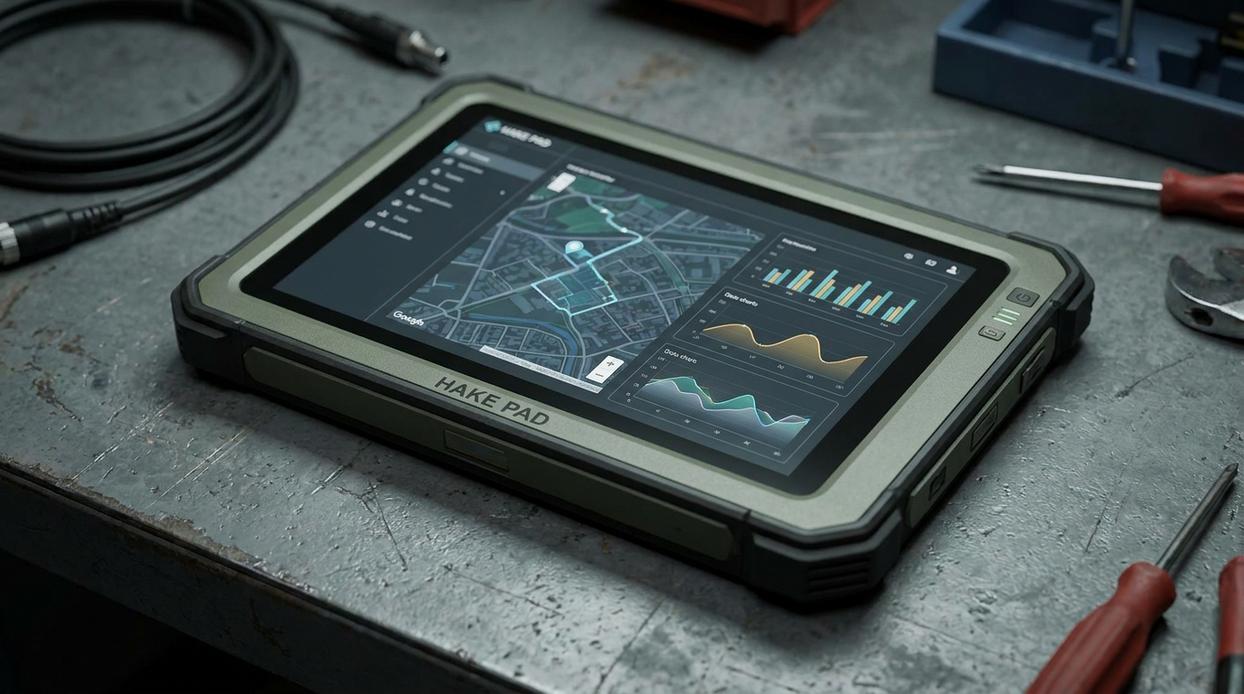
You might be wondering if this site is actually for you.
Fair question. I see a lot of tech blogs that try to be everything to everyone and end up helping no one.
So let me break this down.
If you’re just starting out with code, thehakepad has what you need. I’m talking about guides that don’t assume you already know what an API is or why version control matters. We start from the ground up because everyone begins somewhere.
Now, some people say beginner content waters down a tech site. That you should only focus on advanced topics to maintain credibility.
But here’s what I’ve learned. The best developers I know can explain complex ideas in simple terms. If you can’t break down a concept for someone new, you probably don’t understand it as well as you think.
That said, I also write for experienced engineers and IT professionals. You know the basics already. What you need are deep dives into new technologies and architectural patterns that actually matter. Not surface level overviews you could get anywhere.
And if you’re a hobbyist who just loves building things? You’re exactly who I had in mind when I started this. Project breakdowns and hardware reviews give you something to sink your teeth into on weekends.
The common thread here is pretty simple.
Whether you’re writing your first function or architecting distributed systems, you want clear explanations without the jargon overload. You want to understand how things work, not just copy and paste solutions.
That’s what I aim for with every piece I publish.
Our Commitment: A Higher Standard for Tech Content
I won’t waste your time with fluff.
You’ve probably landed on tech sites that promise answers but deliver nothing. Five paragraphs in and you’re still searching for the actual solution.
That’s not what we do here.
Some people say short content is better. They argue that readers just want quick hits and bullet points. Get in, get out, move on.
But here’s what I’ve learned from running thehakepad.
When you’re stuck on a real problem, you don’t want surface-level advice. You want someone to actually walk you through it. Step by step. No gaps.
That’s why I’d rather publish one guide that solves your problem completely than pump out ten posts that leave you hanging.
We go deep when it matters. If a topic needs 2,000 words to cover properly, that’s what you’ll get. If it only needs 500, we won’t pad it with nonsense just to hit some arbitrary word count.
Here’s how we’re different.
We listen to what you actually need help with. The topics I cover come straight from questions I see people asking over and over. Real pain points. Real confusion.
Our reviews are honest. I don’t get paid to recommend tools or platforms. If something works well, I’ll tell you. If it has problems, you’ll hear about that too.
You deserve content that respects your time and intelligence.
That’s what we’re building here. No gimmicks. No affiliate-driven recommendations disguised as advice.
Just clear, useful information that helps you build better projects and make smarter career decisions.
Start Building, Start Learning
You came here to find out what thehakepad is.
Now you know. It’s a dedicated resource for practical technical knowledge that actually helps you build things.
I get it. You’re tired of wasting time with surface-level content that doesn’t answer your real questions. You’re done with endless searches that lead nowhere.
thehakepad gives you clear insights you can use right now. Whether you’re building something new or trying to master a technology, you’ll find what you need here.
Your next project is waiting. So is that skill you’ve been wanting to learn.
Pick a tutorial that matches what you’re working on. Or explore one of our project breakdowns to see how things actually work.
Stop searching. Start building.
 Driven by a lifelong passion for innovation, Jyxilon Pell founded The Hakepad as a dedicated hub for exploring the frontiers of the tech world. With a keen eye for emerging trends and a deep understanding of the rapidly evolving digital landscape, Jyxilon created the platform to bridge the gap between complex tech advancements and everyday enthusiasts. Whether detailing cutting-edge hardware benchmarks, breaking down intricate software developments, or analyzing industry-shifting news, Jyxilon’s mission remains clear: to build an ultimate destination that empowers, informs, and inspires a global community of tech lovers.