
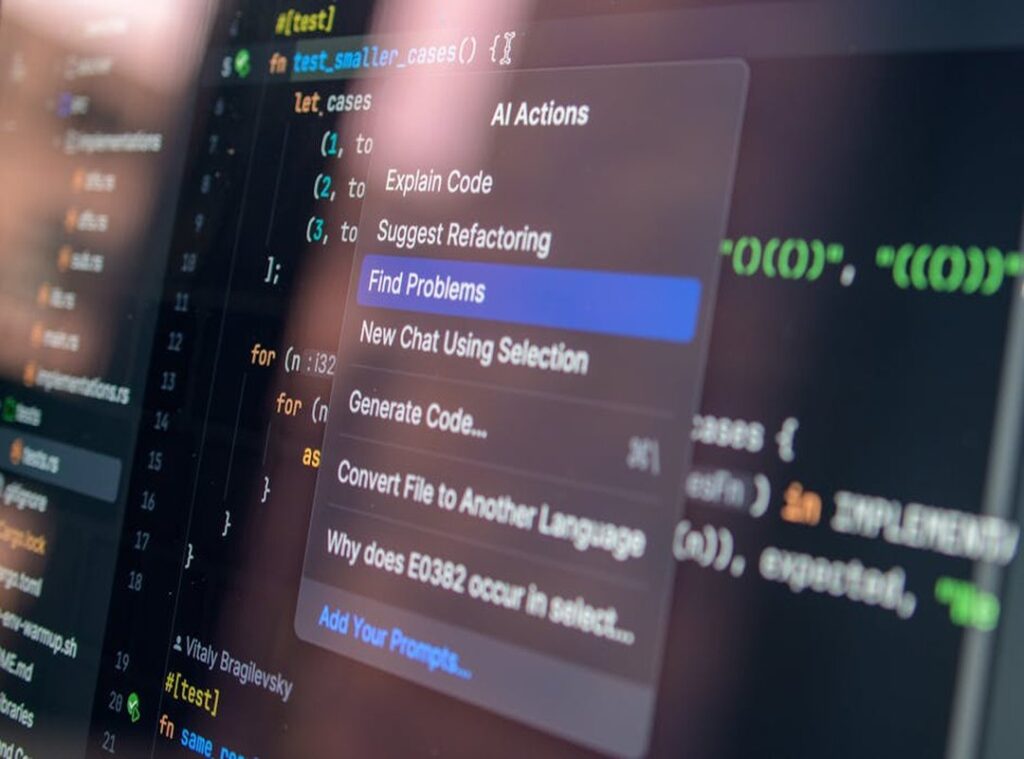
I’ve watched people waste months on AI tools that don’t do what they need.
You’re not alone.
There are hundreds of AI tools out there.
Most of them sound great until you try to use one for your actual work.
Which ones actually save time? Which ones just add noise? And which ones slowly break when you need them most?
This isn’t theory. I’ve tested dozens in real jobs. Writing, research, scheduling, coding, customer support.
Not in a lab. Not in a demo. In the messy middle of deadlines and tired eyes.
You want a straight answer to Which Ai Enabled Tools Should I Use Dtrgstech. No fluff. No hype.
Just what works (and) why it works for your goals.
Some tools handle repetitive tasks well. Others fail at basic follow-up. I’ll show you where each one falls short.
And where it shines.
By the end, you’ll know exactly which tools fit your workflow. Not someone else’s. Yours.
You’ll stop guessing.
You’ll start using.
What AI Tools Actually Do For You
I use AI tools every day. They’re not magic. They’re fast helpers.
Which Ai Enabled Tools Should I Use Dtrgstech? That’s the real question. Not “what’s shiny,” but “what cuts my work in half?”
I type a sentence and get five better versions in two seconds. (Yes, it’s weird at first.)
I ask for a chart of last month’s sales and get clean numbers. Not a spreadsheet full of errors.
I describe a logo idea and get three drafts before lunch.
Some tools write. Some draw. Some sort your inbox or turn meeting notes into action items.
They don’t replace you. They shrink the boring parts.
You spend 20 minutes writing a client email. What if it took two? You stare at raw data trying to spot trends.
What if the pattern jumped out right away?
That’s where Dtrgstech helps. It maps tools to real tasks (not) buzzwords. No fluff.
Just what works today.
I stopped asking “Is this AI?”
Now I ask “Does this save me time or spark an idea I wouldn’t have had?”
That’s the only test that matters.
AI That Doesn’t Write For You (It) Writes With You
I use ChatGPT every day. Not to replace my voice (but) to break through silence when I’m stuck.
Google Gemini helps me rephrase a clunky email before I hit send. Jasper AI drafts social posts I’d otherwise avoid until 11 p.m. (when willpower is gone).
These tools don’t think. They predict. Based on patterns.
So they’re fast (but) not careful.
You’ll still need to fact-check. Adjust tone. Kill the corporate-speak they love so much.
Writer’s block? Gone in 30 seconds. Grammar errors?
Fixed before you finish reading. Drafting a blog post? Cut your time in half.
But ask yourself: does it sound like you? Or like every other LinkedIn post from last Tuesday?
Which Ai Enabled Tools Should I Use Dtrgstech (that’s) what I asked before trying five different ones.
Free versions are enough to test this. Try one for a week. Use it to write three real things: an email, a short caption, and a bullet list of ideas.
If it feels like work. Ditch it.
If it feels like a collaborator who listens? Keep going.
You’ll know in under an hour.
No subscription needed to find out.
AI That Draws What You Describe
I type words. The AI makes pictures. Midjourney, DALL-E, Stable Diffusion (they) all do this.
You say “a cat wearing sunglasses on a skateboard in Tokyo rain”.
It spits out four versions in under 30 seconds.
No drawing skills needed. No Photoshop subscription. Just clear words and some trial and error.
These tools build logos, mock up app screens, or swap backgrounds in photos. They’re fast. They’re cheap.
They’re weirdly fun.
But they lie sometimes. That “sunglasses” might look like melted plastic. You learn to prompt like you’re talking to a sleepy intern (specific,) calm, slightly repetitive.
Which Ai Enabled Tools Should I Use Dtrgstech?
Try What Does a Software Engineer Do Dtrgstech if you’re curious how people actually build these things.
Use them for blog headers. Social posts. Sketching ideas before hiring a designer.
Don’t expect perfection. Expect options. Expect surprise.
You’ll waste time tweaking prompts.
You’ll also get something that makes you go “Whoa. I didn’t know I wanted that.”
Start with free tiers. Pick one tool. Type one sentence.
See what happens.
AI That Doesn’t Waste Your Time
I use AI tools to stop drowning in notes, meetings, and calendar chaos. Not magic. Just faster.
AI note-takers record voice and turn it into text. Right as you speak. Meeting summarizers cut a 45-minute call down to three bullet points.
Scheduling assistants move meetings around without asking you twice.
They transcribe your team’s standup. They skim a 30-page contract and flag deadlines. They nudge you before a deadline you forgot you set.
This saves hours. Not minutes. You stop copying notes into Slack.
You stop re-reading emails just to remember what was agreed.
But not all tools are safe. Some send your meeting audio to servers I wouldn’t trust with my grocery list. And AI summaries?
They lie. Sometimes slowly. Always check them.
Ask yourself: what do you do every day that feels like spinning wheels? Email triage? Document formatting?
Chasing status updates? That’s where AI should step in. Not replace you.
Which Ai Enabled Tools Should I Use Dtrgstech
You’ll want real examples, not buzzwords. Dtrgstech shows what actually works (and) what gets you fired.
Pick One Tool. Try It Today.
You came here because you’re tired of staring at ten AI apps, wondering Which Ai Enabled Tools Should I Use Dtrgstech.
I get it. Too many options. Too much noise.
You don’t need all of them. You need one that fixes one thing you actually do every day.
Writing emails? Stuck on design mockups? Can’t keep your to-do list from collapsing?
That’s your starting point.
Don’t compare features. Don’t read another review. Just open a free tool (right) now (and) use it for that one thing.
You’ll know in five minutes if it helps.
Or not.
Either way, you’ve moved forward. Not stuck. Not scrolling. Doing.
That first small win builds confidence. Then momentum.
So stop waiting for the “perfect” AI.
Start with what hurts most.
Then try one tool.
Just one.
What’s the one task you’ll offload today?
Go ahead. Open it. Type something.
See what happens.
You already know where to begin.
 Serving as a cornerstone of the team, Auritha Wolfquell brings an sharp analytical eye and a passion for deep-dive exploration to The Hakepad. Specializing in breaking down complex technical architectures and tracking industry-shifting developments, Auritha transforms dense tech trends into highly engaging, accessible insights for the community. Whether uncovering the nuances of emerging software or tracking global tech movements, Auritha’s dedication ensures the platform remains at the absolute forefront of accurate, forward-thinking journalism.